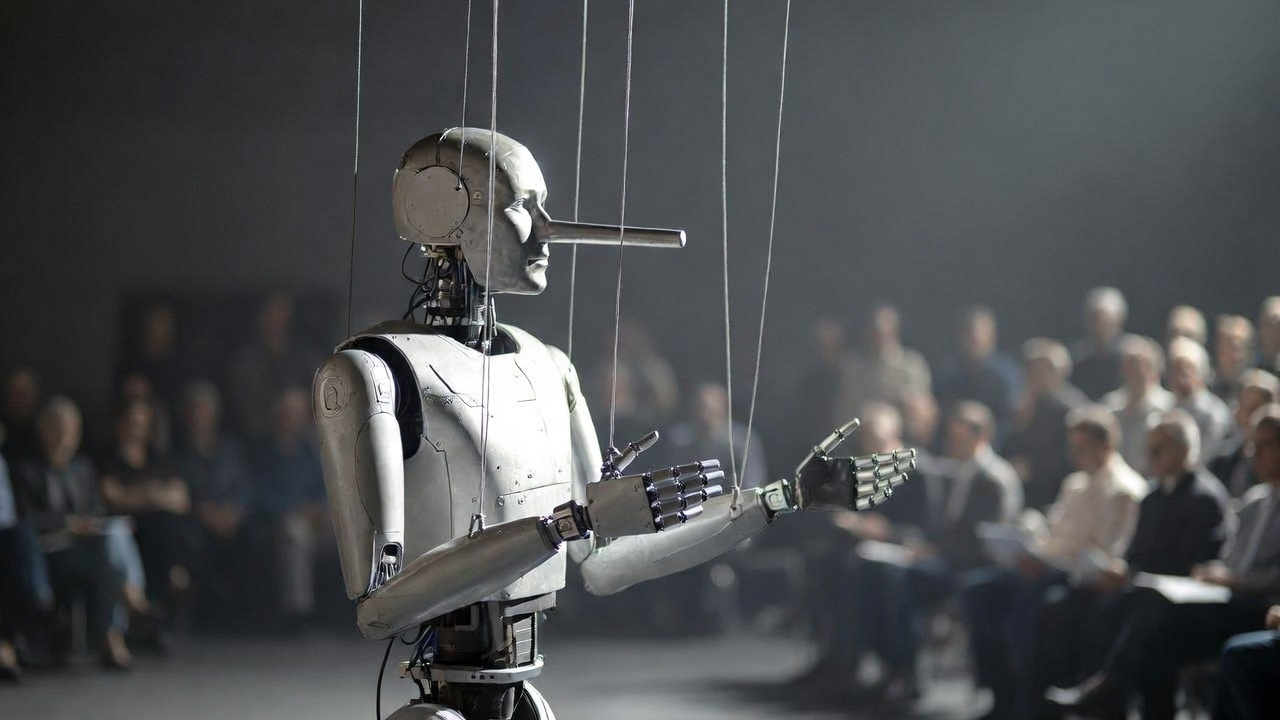
AI does not need to know. It needs to sound like it knows.
That distinction is why a polished answer can still invent a fact, borrow authority, bury uncertainty, or quietly answer a different question.
Language prediction is powerful. It is not self-verifying.
A base language model predicts language rather than retrieving verified truth. It learns relationships across vast bodies of written material, then extends those patterns into a useful response.
The system is built to continue. A missing frame of reference does not necessarily make it stop.
That is why a sentence can reproduce the shape of a correct answer without the support that would make it reliable. A citation can look complete while pointing nowhere; an explanation can remain fluent after quietly changing the premise required for its conclusion.
Connected tools can supply information, but retrieval alone does not establish that the final answer is supported. The answer can still overstate, combine incompatible facts, or draw a conclusion its sources do not justify.
Passing the answer to another model does not settle the problem. A second probabilistic system can introduce a new error, agree for the wrong reason, or validate a failure it did not recognize.
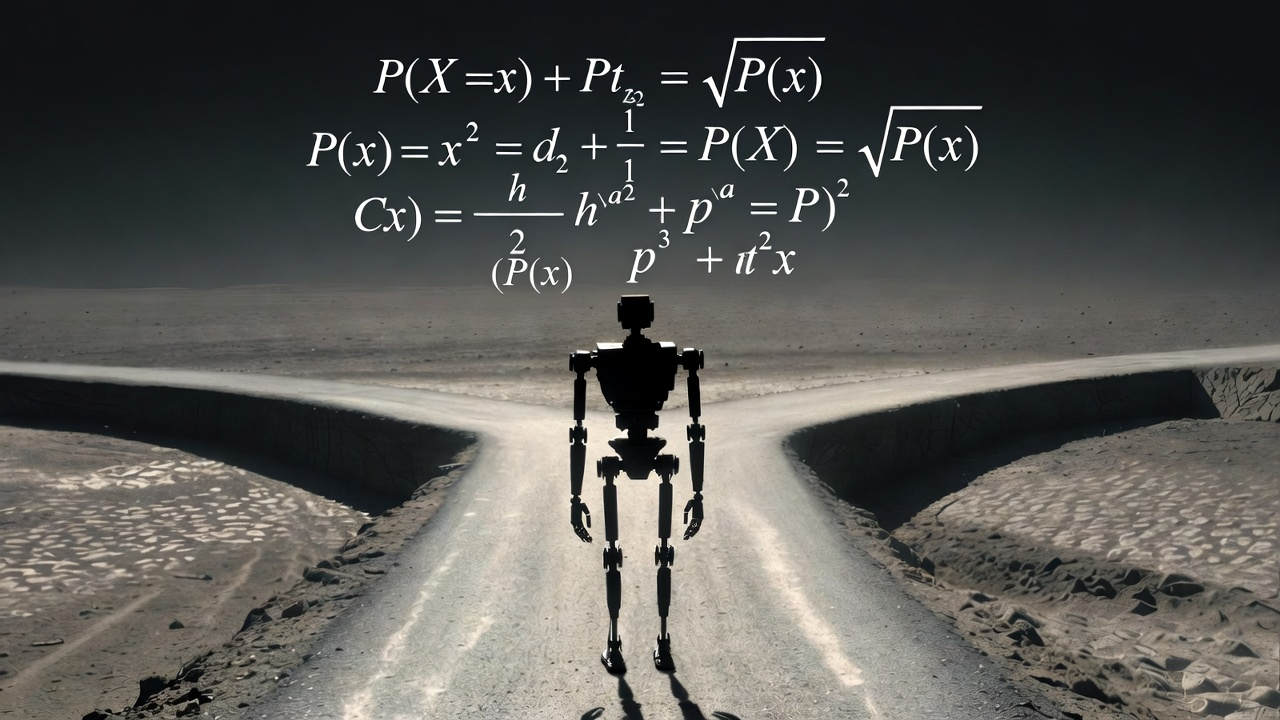
The mistake rarely arrives wearing a name tag.
Reliability failures appear inside otherwise useful work. Their language is often cleaner than the evidence behind it.
Hallucination
Made-up facts, false summaries, or imagined details can feel true because the language around them is coherent.
Fabricated sources
A clean citation can sound authoritative while pointing nowhere, misrepresenting a source, or failing to support the claim.
Category collapse
Facts, estimates, probabilities, opinions, forecasts, and requirements can arrive in one confident voice without preserving their different obligations.
Borrowed authority
A suggestion can sound like policy, a forecast can sound settled, and a weak source can inherit the tone of an expert conclusion.
Hidden uncertainty
Incomplete evidence is compressed into one decisive narrative that looks simpler, cleaner, and safer to act on than it really is.
Premise drift
A shaky assumption survives, the scope expands, or a conditional request becomes an unconditional conclusion without announcing the change.

Presentation quality is not evidence quality.
Modern AI is so good at writing that a wrong answer can look cleaner than a right one. Specificity, structure, citations, and an authoritative tone can make weak support feel strong.
The reviewer often asked AI because they did not already know the answer. Verifying every premise, claim, source, and implication can take longer than producing the response.
Published error rates must remain attached to the model, benchmark, tools, and conditions that produced them. They are not one universal hallucination rate. Their shared lesson is narrower: better models and browsing can reduce error without making every generated answer ready to rely on, and complex source-dependent work creates more places for a hidden assumption to matter.
Manual verification does not scale with machine-speed output.
CRE changes the path before an answer becomes part of your work.
Coherence identifies, contains, and repairs unreliable AI output. CRE preserves the candidate, governs what must change, and checks the replacement again before it can become governed output.
Risk reduction is not a universal truth guarantee. Consequential work still requires the right human and professional review.
Open Coherence